
Remember the world before smartphones, social media, and a GPS in your pocket? It was not that long ago, but it feels like a completely different era.
The innovations in the 2000s were the turning point that most people did not notice until it was already over. In ten short years, daily life changed more than it had in the previous thirty.
Here you will find the gadgets, platforms, and breakthroughs behind that shift, what they replaced, and why everything you use today traces back to this single decade.
What Made the 2000s Such a Breakthrough Decade for Technology?
The 2000s were a breakthrough decade because technology finally became affordable and fast enough for everyday people to use.
The 90s had introduced the internet, but it was slow, expensive, and mostly confined to office desktops. When broadband arrived and hardware prices dropped, that barrier disappeared.
Families who had never owned a gadget beyond a television suddenly had real reasons to buy one.
At the same time, devices shrank in size while growing in capability. Products that had once carried four-figure price tags landed on store shelves at prices ordinary households could manage. That shift pushed adoption far beyond early tech enthusiasts and into mainstream daily life.
The result was not simply a wave of new products. It was a fundamental change in how people spent their time, how industries earned money, and what a normal day actually looked like.
Innovations in the 2000s That Redefined How We Live
The 2000s delivered gadgets that became part of daily habits almost immediately. Each one replaced a behavior people had held for years and never looked back.
1. The iPod and the Death of the CD (2001)
Source: CNET
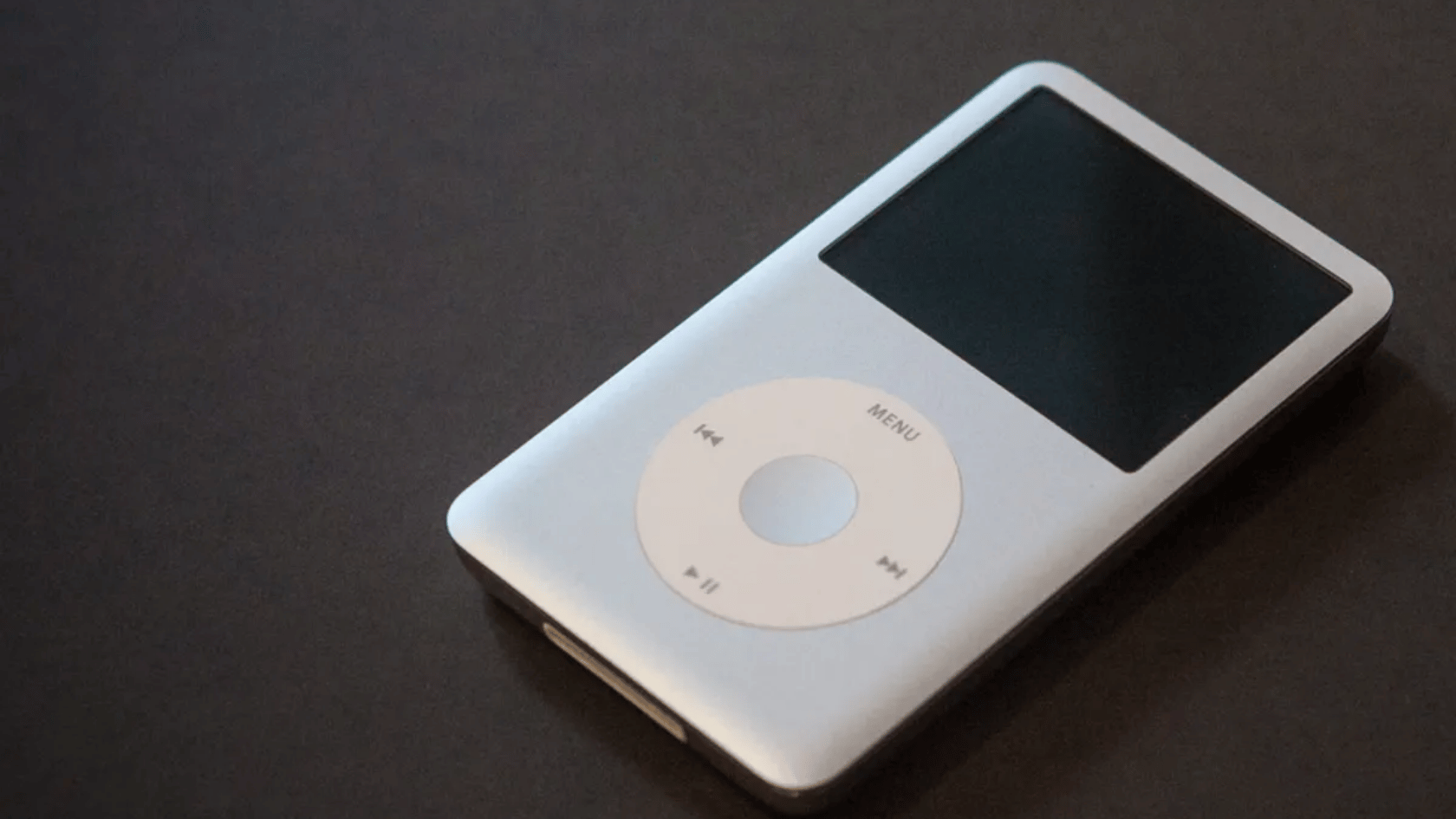
Before the iPod, carrying music meant carrying a stack of CDs. Apple’s 2001 release put 1,000 songs into a device that fit inside your shirt pocket.
The iTunes Store made it possible to buy a single song for 99 cents. This broke apart the album model and gave listeners full control over what they actually wanted to hear.
2. The iPhone: A Computer in Your Pocket (2007)
Source: CNN
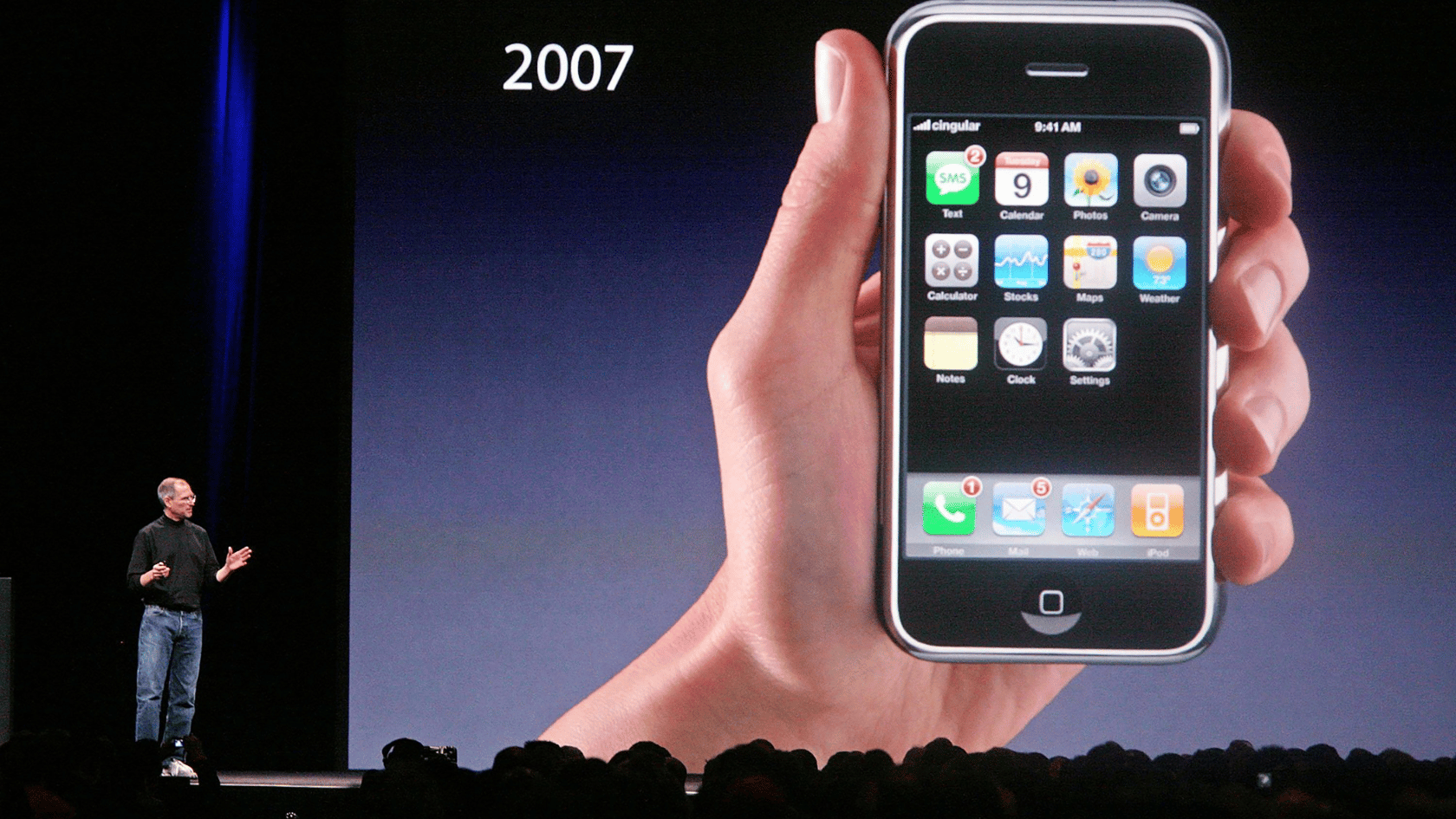
The iPhone launched in 2007 as a phone, a web browser, and a music player all inside one device. Nothing quite like it had ever existed in a consumer’s hands before.
The App Store followed in 2008 and opened software development to anyone with a good idea. This sparked an entire economy around mobile applications that continues to grow today.
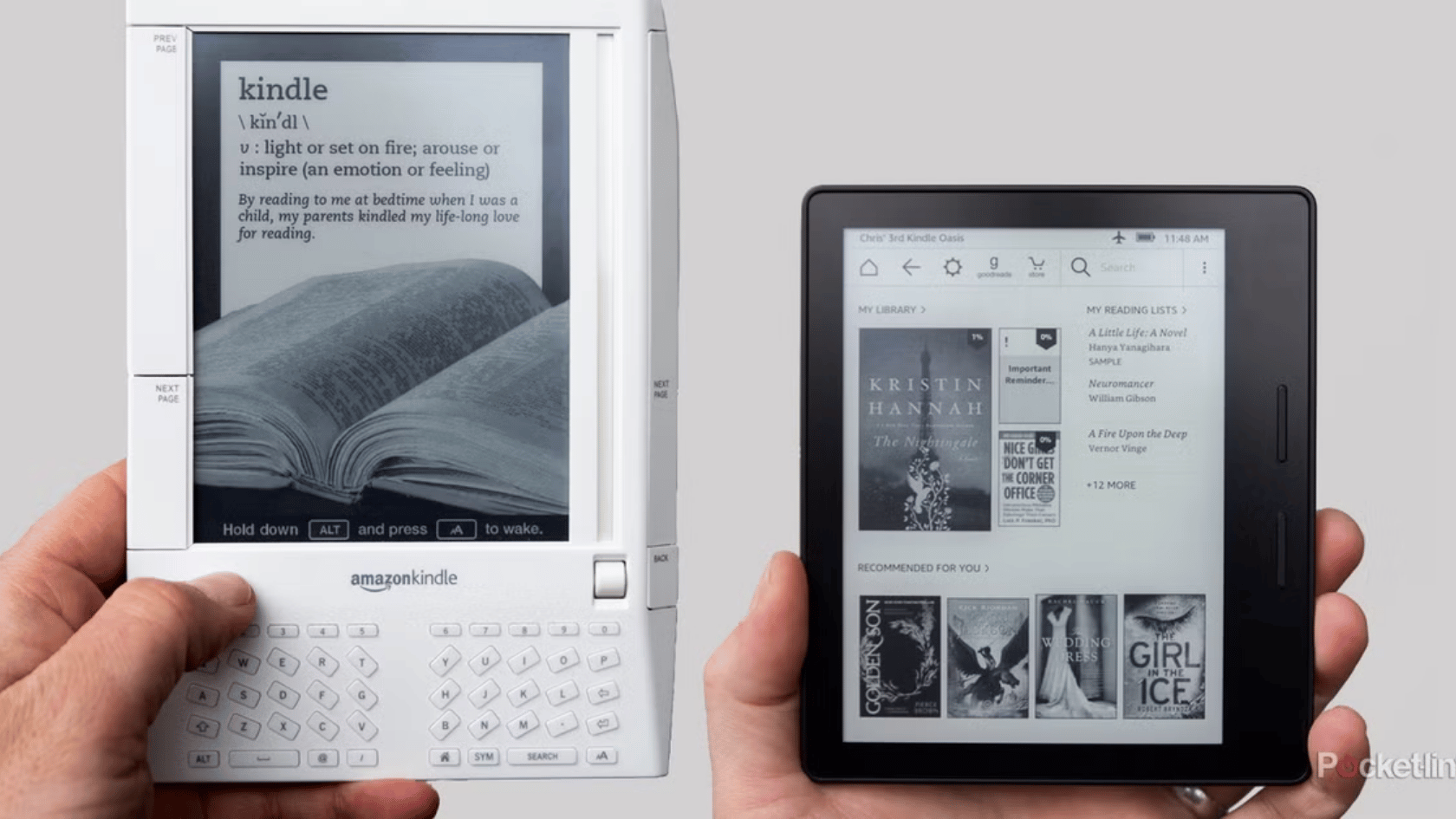
3. The Amazon Kindle and the Rise of E-Reading (2007)
Source: Pocket-lint
Amazon launched the Kindle in 2007, and it sold out in under six hours. It lets readers carry hundreds of books on a device thinner than a single paperback novel.
Traditional publishers were caught off guard by how fast digital adoption moved. The Kindle proved that readers were fully ready to pay for books they could not physically hold.
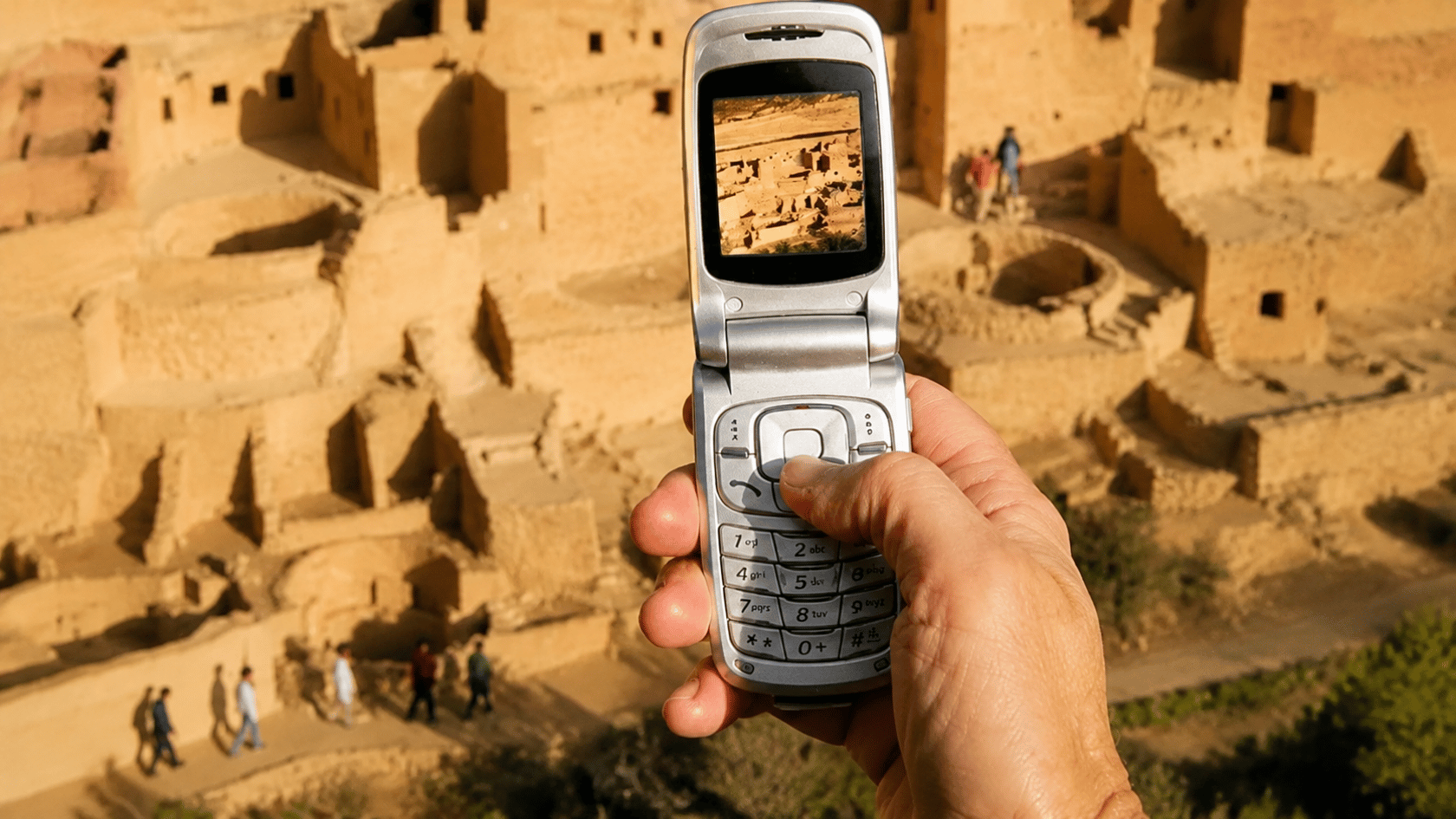
4. Camera Phones and the Birth of Everyday Photography
Source: Vulture
The first camera phone appeared in 2000, and most people dismissed it as a gimmick. Early photo quality was poor, and sharing images with others was slow and clunky.
Within a few years, quality improved, and sharing photos online became much easier. People began documenting daily moments they never would have thought to photograph before.
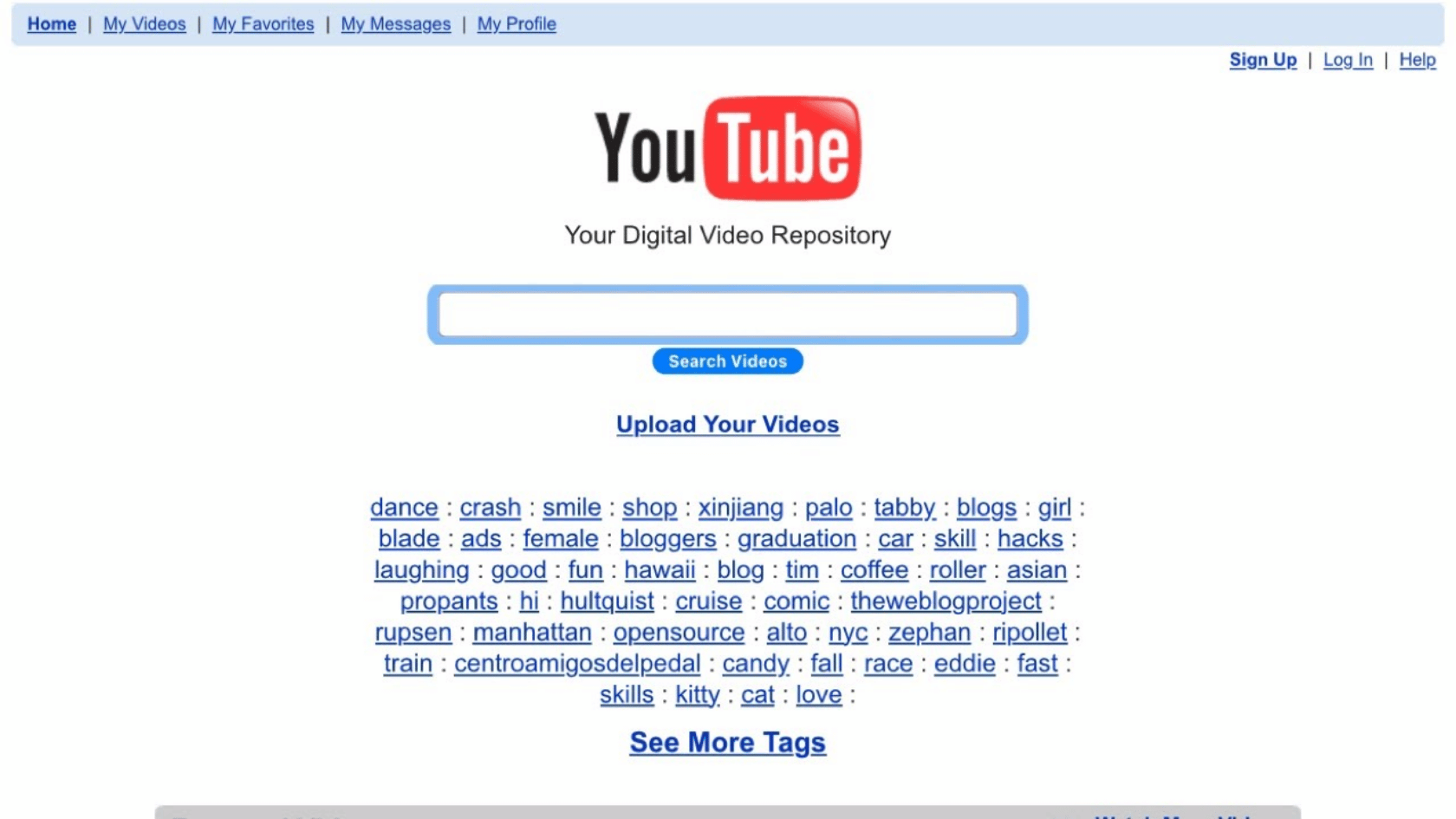
5. YouTube Democratizes Video (2005)
Source: YouTube
YouTube launched in 2005 with one simple idea: anyone could upload a video at no cost, no budget, no equipment list, and no media company standing between a creator and their audience.
Within one year, YouTube was serving over 100 million video views per day. Google bought the platform for $1.65 billion in 2006, spotting what most traditional media companies had completely missed.
6. Social Networking Takes Off
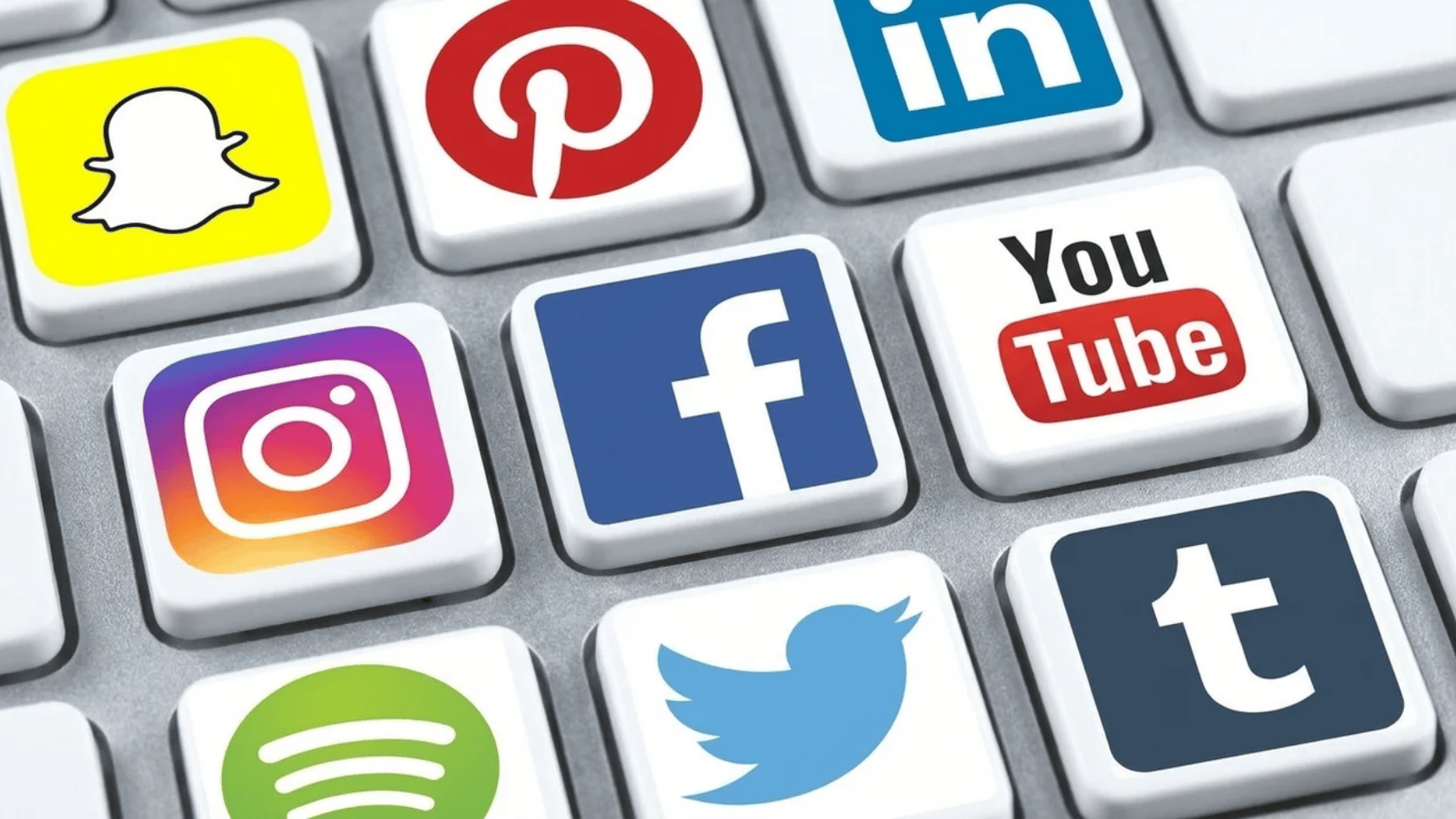
Social networking did not arrive all at once. It grew in stages, with each platform building on what the one before it had started.
How it unfolded:
- 2003: MySpace gave users a fully customizable personal page on the internet. It was messy, creative, and millions of teenagers immediately made it their online home.
- 2004: Facebook made social networking cleaner and more focused on real-world connections. It started with college students before opening to the general public in 2006.
- 2006: Twitter stripped communication down to 140 characters per post. It turned the internet into a space for real-time public opinion and breaking news.
Together, these three platforms rewired how people communicate, build a public identity, and stay informed.
7. Blogging and User-Generated Content
Tools like Blogger and WordPress gave ordinary people a place to publish writing without any technical background. Anyone with a point of view could now reach a global audience from their home computer.
This pulled attention away from traditional publishers. A single blogger covering a niche topic could build as loyal a readership as a mid-size print magazine.
Two things blogging changed permanently:
- Journalism: Readers no longer waited for a newspaper. Independent writers broke stories and fact-checked mainstream coverage in real time.
- Personal branding: Experts and hobbyists discovered they could build real authority and an audience without any media company’s backing or permission.
Everyday Tech That Quietly Changed Life
Not every breakthrough made headline news. Some of the most useful technologies from this decade slipped into daily routines so smoothly that people barely noticed them arrive.
8. USB Flash Drives Replace the Floppy Disk
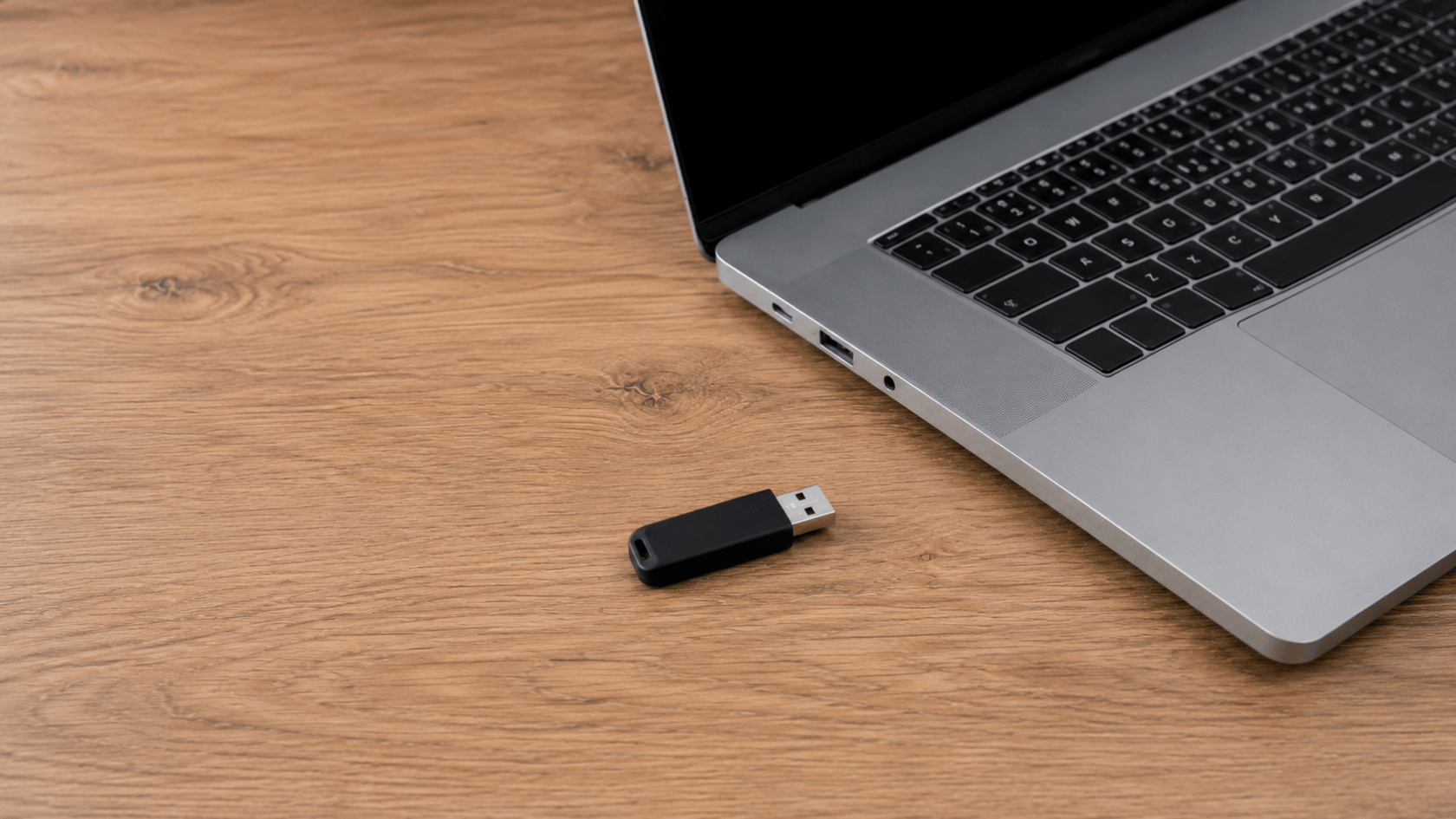
The floppy disk had been the standard way to carry files since the 1980s. It held just 1.44MB, scratched easily, and corrupted without much warning.
USB flash drives arrived in the early 2000s and changed all of that fast.
| Feature | Floppy Disk | USB Flash Drive |
|---|---|---|
| Storage | 1.44 MB | 128 MB to 1 GB+ at launch |
| Durability | Heat and magnet-sensitive | Solid-state, no moving parts |
| Compatibility | Dedicated drive only | Any USB port, no software needed |
Zip drives had tried to solve the same problem in the 1990s, but required special hardware. Flash drives needed nothing extra, which is exactly why they won.
9. Bluetooth: Cutting the Cord

Bluetooth reached everyday consumers in the 2000s, enabling devices to connect wirelessly without cables or complicated setups.
The first use most people noticed was hands-free calling in cars, which later became a legal requirement in many countries.
What it made possible:
- Wireless headsets and speakers
- Hands-free car kits
- Cordless keyboards and mice
- Easy file sharing between phones
Together, these removed a layer of cable clutter from daily life that most people now cannot imagine living with.
10. Consumer GPS Systems (Garmin)
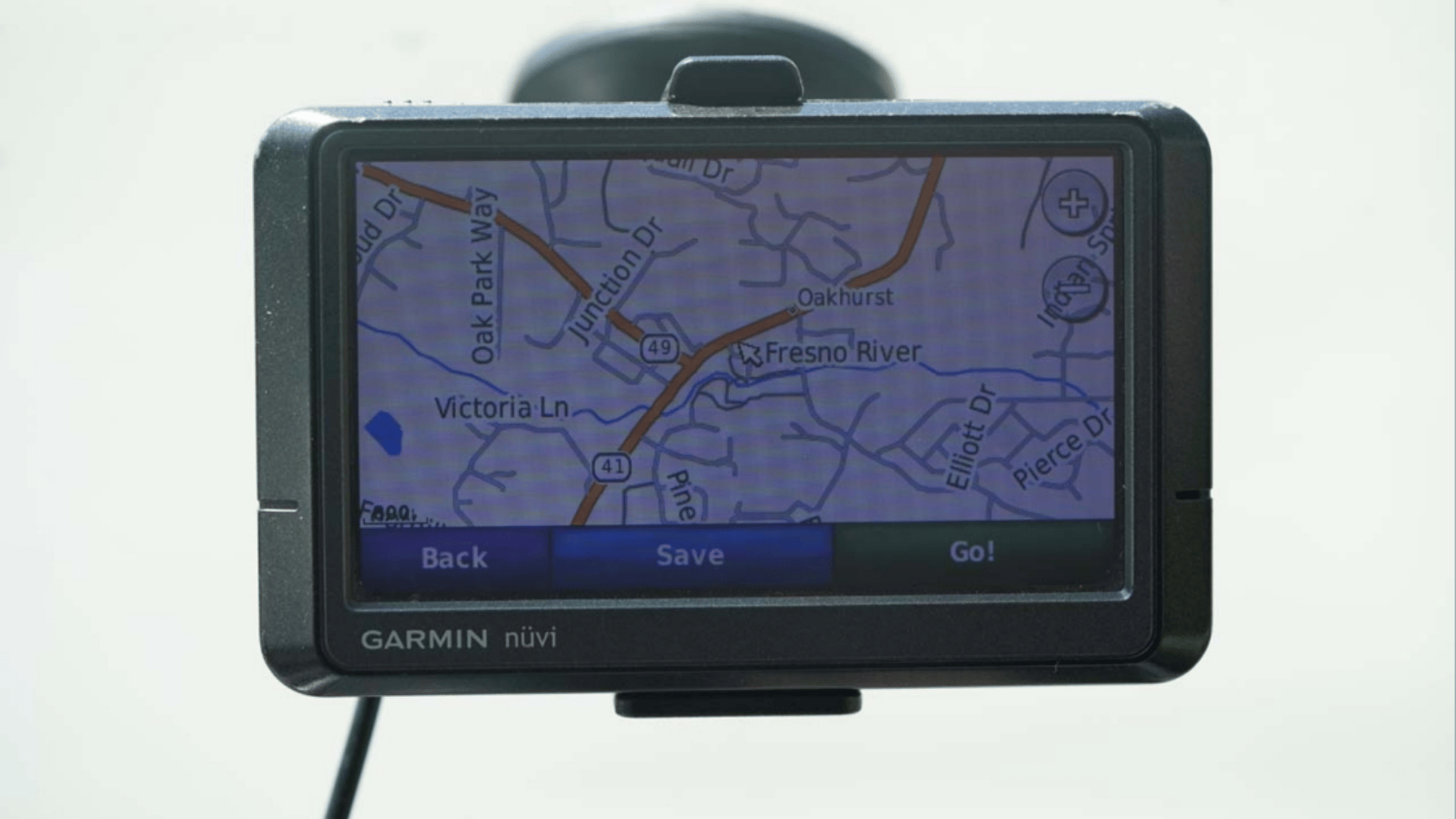
Source: EACR Inc.
GPS had been used by the military for decades before brands like Garmin brought it to regular drivers. In the early 2000s, a small dashboard device could speak directions out loud while you drove.
No more printing directions from MapQuest before leaving the house. No more unfolding a road map at a red light. Drivers could find any address in any city without planning at all.
Transportation and Science Innovations of the 2000s
Not every breakthrough from this decade lived on a screen. Some of the biggest advances happened on the road and inside research labs, with effects still felt today.
11. Hybrid Vehicles Go Mainstream: Toyota Prius
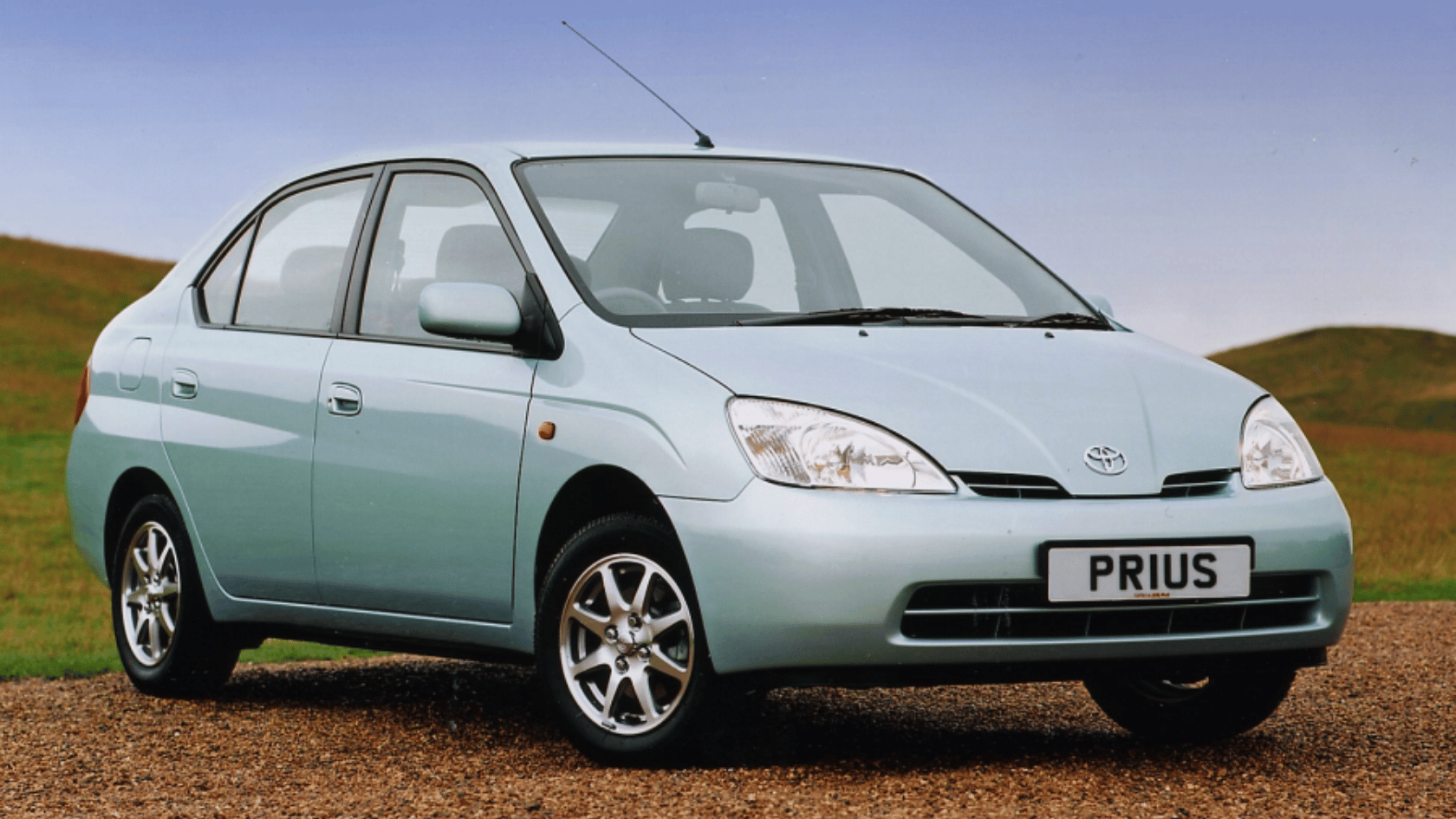
The Toyota Prius arrived in the United States in 2000 and introduced most drivers to something new: a car powered by both a gasoline engine and an electric motor together.
Buyers saved money on fuel, and the Prius became a visible symbol of environmentally conscious car ownership. Other automakers quickly began developing hybrid versions of their own popular models.
12. Medical Milestones
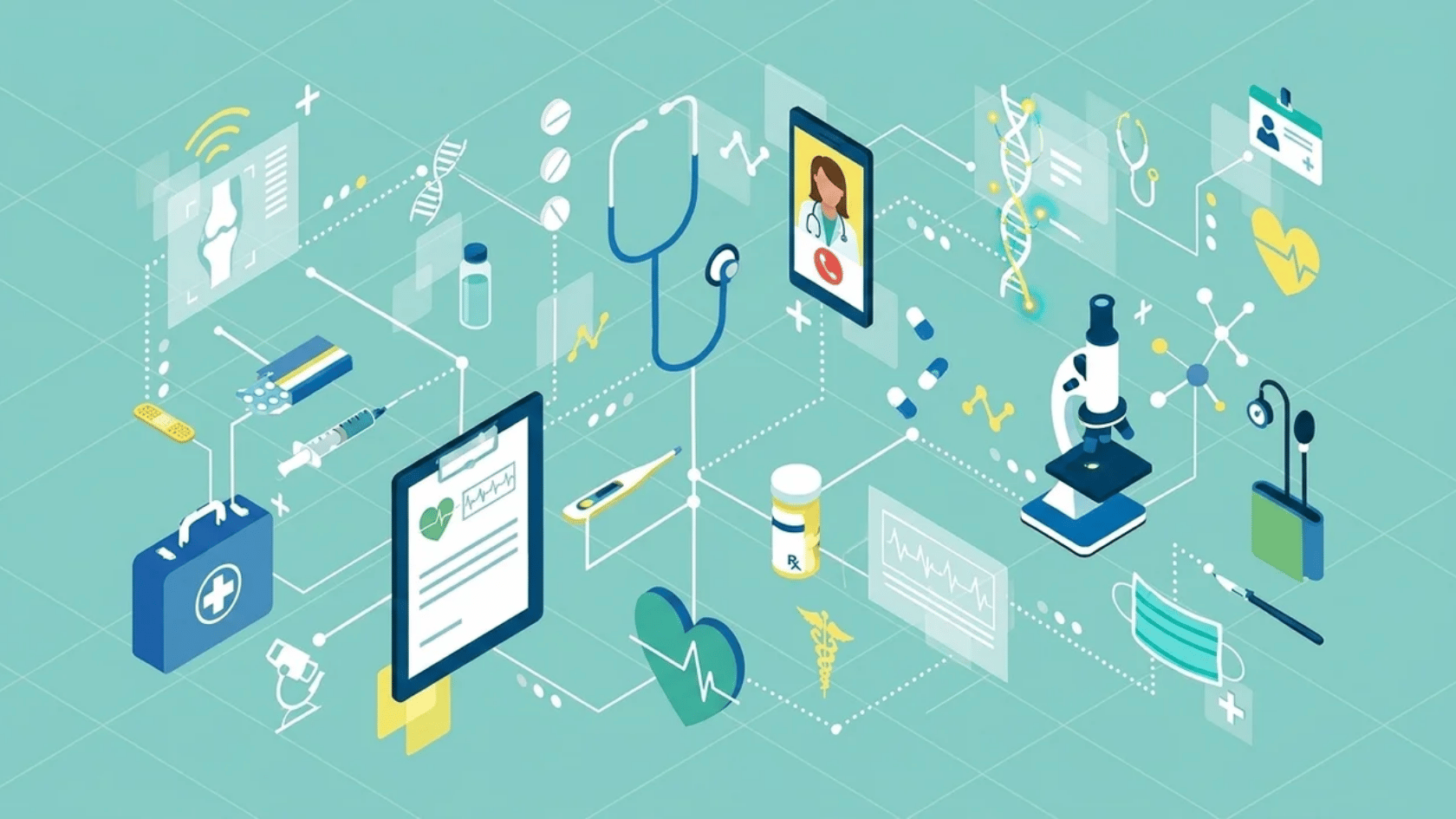
The 2000s produced two medical breakthroughs that carried enormous long-term weight, even if they were overshadowed by gadget launches at the time.
AbioCor Artificial Heart (2001)
Surgeons implanted the first fully self-contained artificial heart in 2001. No wires or tubes passed through the skin, which was a genuine first in medical engineering.
Human Genome Project (2000)
Scientists completed a working map of human DNA in 2000. This opened the door to studying disease at the genetic level and laid the base for precision medicine.
Wrapping Up
The innovations in the 2000s did not just give us better gadgets. They quietly rebuilt how we live, communicate, and get around every single day.
Next time you use GPS, stream a video, or open an app, think about where that habit started. Every one of those moments traces back to something built in this decade.
The 2010s took everything the 2000s built and pushed it even further.
Drop a comment below: which 2000s innovation do you miss the most?
Frequently Asked Questions
Which Companies Grew the Most During this Decade?
Google went from a search engine to one of the most powerful companies in the world during this period. Amazon expanded well beyond books. Apple went from nearly bankrupt in the late 1990s to one of the most valuable consumer brands on the planet by 2010.
Did the Dot-Com Crash of 2000 Slow Down Innovation?
The crash wiped out hundreds of overfunded internet companies but cleared space for stronger ones to grow. Google, Amazon, and Apple all built their biggest products after the crash, not before it.
What Happened to Print Newspapers and Magazines During this Decade?
Online news and blogging pulled readers away from print at a pace publishers were not prepared for. Classified advertising moved to sites like Craigslist, cutting off a major revenue stream that newspapers had relied on for decades.